Introduction
Antioxidants are powerful molecules that defend your body against oxidative stress, a key factor in aging, inflammation, and disease.
What Are Antioxidants?
Definition and Function
Antioxidants neutralize free radicals, preventing them from damaging cells and DNA.
Free Radicals and Oxidative Stress
Free radicals are unstable molecules formed during metabolism or environmental exposure, leading to oxidative damage if unchecked.
Types of Antioxidants
Vitamin C and E
Key vitamins that protect cells and support the immune system.
Polyphenols and Flavonoids
Plant-based compounds with strong antioxidant properties.
Minerals: Selenium and Zinc
Essential minerals that support antioxidant enzyme activity.
Benefits of Antioxidants
Cellular Protection
Shield cells from oxidative damage, preserving function and longevity.
Immune Support
Enhance defense mechanisms against pathogens and inflammation.
Aging and Disease Prevention
May reduce risk of chronic diseases and slow age-related decline.
Dietary Sources of Antioxidants
Fruits and Vegetables
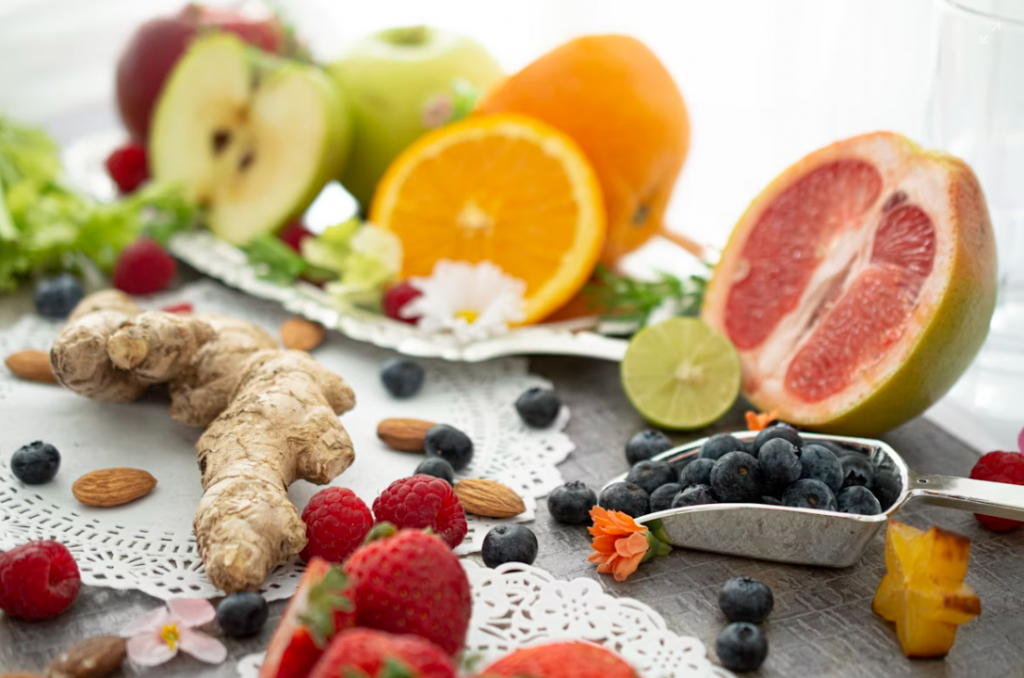
Berries, citrus, leafy greens, and colorful produce.
Nuts and Seeds
Almonds, walnuts, flaxseeds, and sunflower seeds.
Beverages and Herbs
Green tea, turmeric, cocoa, and herbal infusions.
How to Maximize Antioxidant Intake
Food Combinations and Cooking Methods
Eat raw and lightly cooked foods; pair vitamin C with iron-rich foods for absorption.
Supplement Considerations
Whole foods are preferred; supplements can help but may not offer full benefits.
Daily Habits
Diverse, colorful diet ensures broad antioxidant coverage.
Misconceptions About Antioxidants
More is Not Always Better
Excessive supplementation can disrupt natural balance and adaptation.
Supplements vs. Whole Foods
Whole foods provide synergistic nutrients and fiber alongside antioxidants.
Antioxidants and Exercise Recovery
While beneficial, timing and quantity matter for optimal training adaptations.
Conclusion
Antioxidants are crucial for protecting cells, supporting immunity, and reducing disease risk. Focus on a varied, colorful diet, supplemented by healthy lifestyle habits to harness their full potential.
FAQs
- Which foods are richest in antioxidants?
Berries, dark leafy greens, nuts, seeds, and herbs. - Can antioxidant supplements replace a healthy diet?
No, whole foods provide multiple nutrients working synergistically. - How do antioxidants support exercise recovery?
They reduce oxidative stress and inflammation post-workout. - Are antioxidants effective against aging?
They help slow cellular damage but cannot stop aging entirely. - Is too much supplementation harmful?
Yes, excessive doses may interfere with natural oxidative balance.